

What to wear?
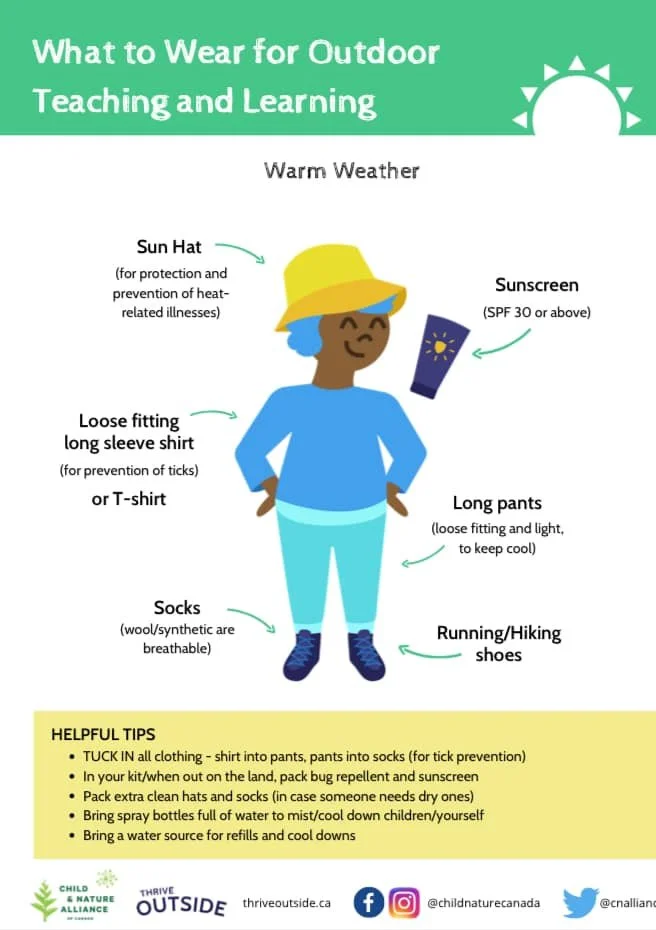
Summer wear for forest & nature school
What to wear? How to dress my child for a day of outdoor play.
It is important to have the appropriate clothing and gear when adventuring outdoors. Dressing for the weather helps children stay safe, warm or cool, dry, and comfortable, allowing them to fully enjoy their Forest School experience with us.
Summer season
For warm-weather Forest School sessions, dress your child in lightweight, long-sleeved tops and breathable, long trousers. This clothing helps protect against sunburn, insect bites, ticks, and scratches while keeping children comfortable outdoors.
Pack an unlined waterproof jacket in case of unexpected rain, a wide-brimmed sun hat for sun protection, and sturdy, closed-toe footwear such as running shoes or hiking sandals to provide good grip and support on uneven ground.
On hot days, please send plenty of water to help your child stay hydrated throughout the session.
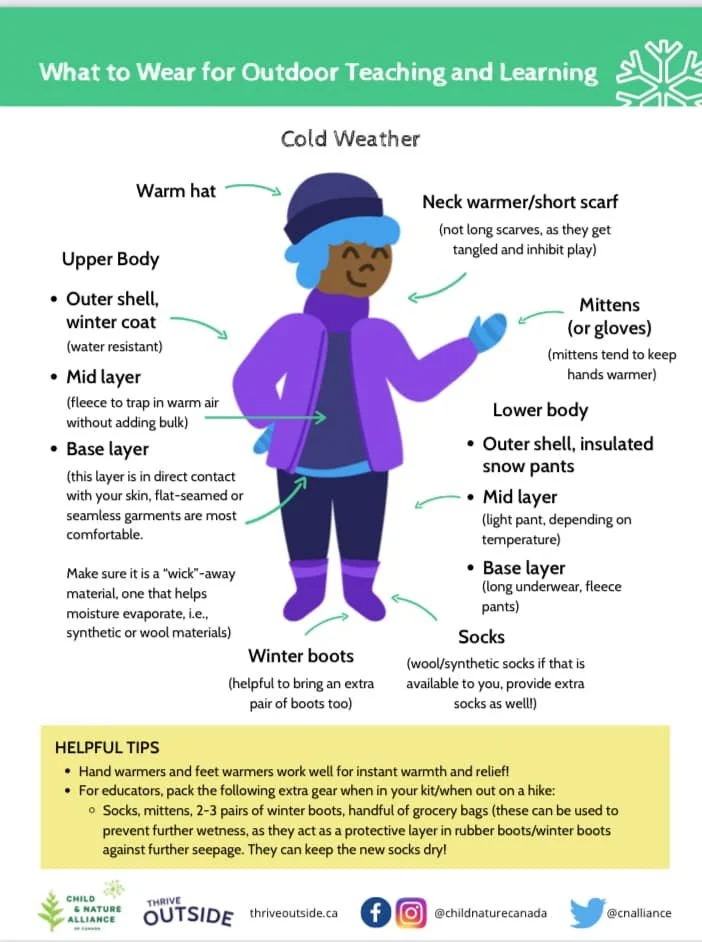
Cold season
Dressing for Forest School in winter requires a three-layer system to keep children warm, dry, and comfortable while allowing them to move freely.
The key rule is to avoid cotton, as it absorbs moisture and can leave children feeling cold. Instead, choose insulating materials such as merino wool or fleece, which help regulate body temperature by keeping warmth in while wicking moisture away from the skin.
Always dress in layers. Layering makes it easy to adjust clothing throughout the day as activity levels and weather conditions change, helping children stay warm, dry, and ready to enjoy the outdoors.
Fully lined waterproof boots ( we recommend BOG boots ) and quality gloves are a must have to keep toes & fingers warm and dry.
*Full rain gear is mandatory for this program.
Dreaming BIG !
What we are dreaming up over here…
We're putting our vision out into the world and trusting that the right people will find it.
Over the past few years, our Into the Woods community has grown into something truly special. We've watched children build confidence through play, learn from mother nature , form deep friendships, discover curiosity , grow in confidence and develop a genuine connection with the natural world. Along the way, families have found community, and together we've created something that feels extra special in this modern fast-paced world.
Now we're dreaming about the next chapter for Into the Woods .
We're hoping to find a permanent home—a little corner of private forested land ( doesn’t need to be big ) close to the heart of town that can become a place of learning, connection, and stewardship for years to come.
We imagine a place where children are free to roam , breathe deeply, observe wildlife, climb trees , build, create and experience the changing seasons firsthand. A place where a garden can flourish, native plants are nurtured, birds and pollinators are welcomed, and the land is cared for with intention and gratitude.
We envision gathering around a fire on a regular basis to share stories, celebrating the rhythms of the seasons, tending gardens together, and creating spaces where families can connect with one another and with the natural world. A place that grows richer each year—not only because of the trees and gardens, but because of the memories, relationships, and traditions that take root there.
We also dream of, one day, building a simple, thoughtfully designed gathering space nestled within the landscape. A small structure that complements the forest—a warm, welcoming place where we can host creative workshops,nature-based education, community events, and seasonal gatherings. A place that offers shelter on cold winter days while keeping us connected to the land that surrounds us.
Perhaps it would be something reminiscent of a one-room schoolhouse—a humble space where children and families come together to co-create a rich learning environment rooted in curiosity, creativity, and connection. A place where stories are shared, real life skills are explored, and community is nurtured alongside a lifelong love of learning.
We envision this being more than a home for Into the Woods. We hope it becomes a place where skilled artisans, educators, naturalists, musicians, gardeners, farmers, storytellers, elders, and makers from our community come together to share their gifts. A place built on collaboration, where families and community members co-create meaningful learning experiences for children—celebrating the incredible knowledge, creativity, and wisdom that already exists within our community. We believe some of the richest education happens when people generously share what they know and love, inspiring curiosity, confidence, resilience, and a lifelong love of learning.
At its heart, this is the vision of Into the Woods: a place where children are free to be children, where families feel a deep sense of belonging, where community members share their gifts generously, and where caring for nature goes hand in hand with caring for one another.
So, if this calls to you at all…. here is the call out.
If you have an unused piece of forested land that has been waiting for a new purpose, we'd love to imagine what might be possible together. Perhaps you've always hoped to see your land cared for and appreciated. Perhaps you know someone with a property that could become a place where children learn to love and that is tended to with care.
We're open to exploring what that relationship could look like— a stewardship partnership, a long-term affordable lease, a land donation, an exchange or another creative arrangement that feels right for everyone involved.
If this vision speaks to you, we'd love to hear from you. And if someone comes to mind as you read this, we'd be so grateful if you shared this post with them.
Here's to putting down roots, caring for the land, and growing something beautiful together. 🌲💚
Ms.Penny
Into the woods
Located in beautiful Mission B.C
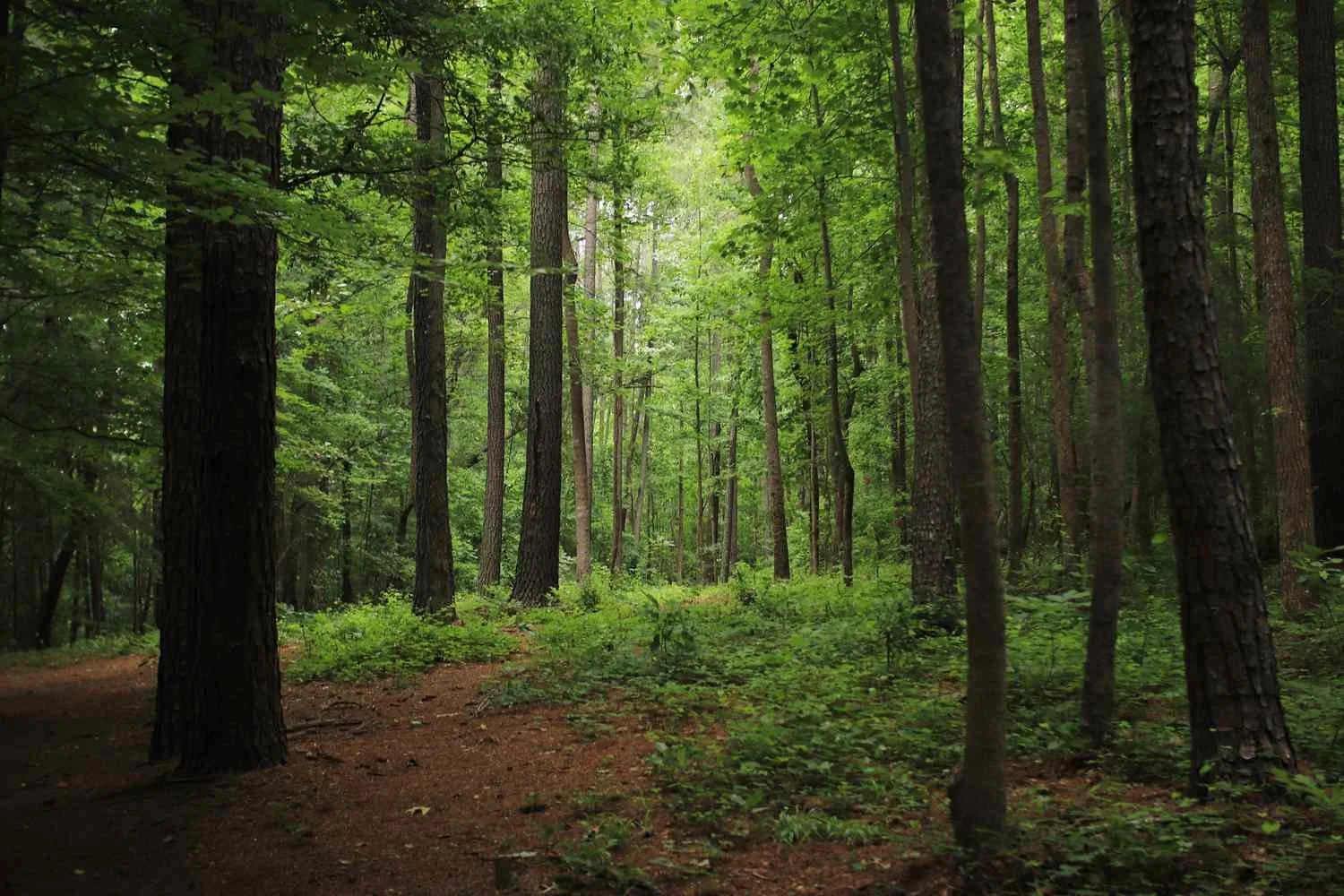
forested nook
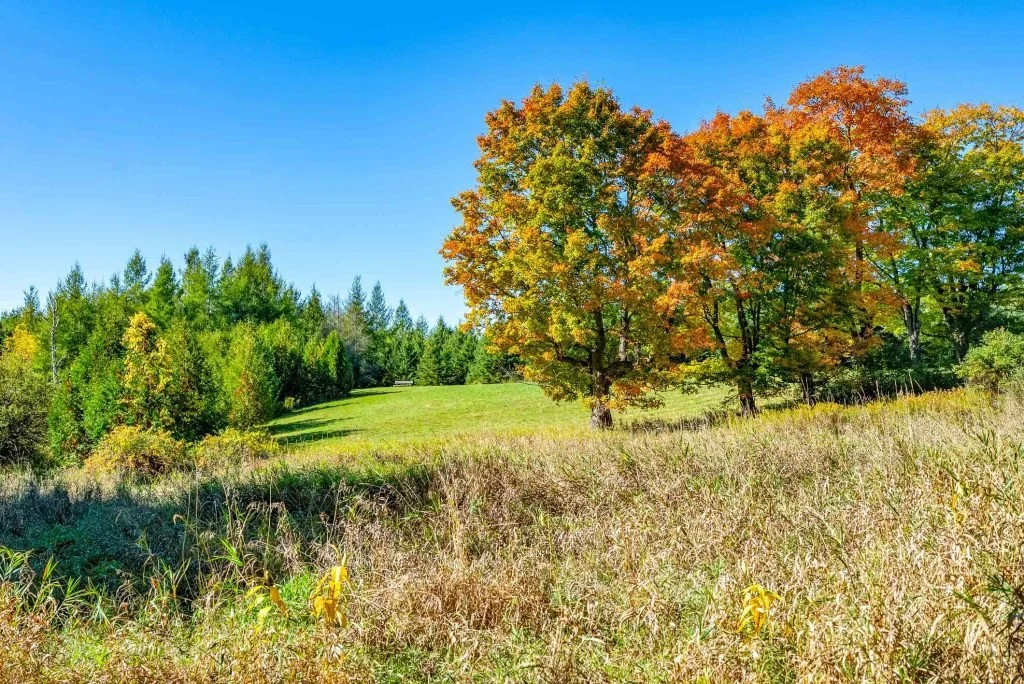
A little slice of land to put some roots down!
Forest School or Co-op, what’s the difference?
Learn what sets a forest school apart from a homeschool co-op.
In British Columbia, a forest school and a homeschool co-op are quite different in purpose and structure, even though both are commonly chosen by home learning families.
Forest school is an educational model and a nature-based learning community where children spend extended time outdoors engaging in hands-on, child-led exploration and activities with peers. It focuses on play, developing community ,confidence, resilience, curiosity, and practical skills while connecting to the natural environment. Forest schools are usually unlicensed programs run by trained facilitators and operate as private or non-profit programs that meet regularly, often in all weather conditions, and they are not centered around specific set curriculum( although indirectly meets many B.C curriculum learning outcomes) but more so through holistic learning opportunities and emergent curriculum.
Forest schools focus largely on whole child wellness, learning through Play , freedom and community.
At Into the Woods there is no parent obligation to contribute educational resources or activities.
Into the woods is a fully insured, outdoor education program run by certified and experienced educators and mentors.
CO-OP
A homeschool co-op, on the other hand, is a parent-organized group where homelearning families come together to share teaching responsibilities and provide social and academic learning opportunities. In BC, co-ops are not regulated as schools but function as informal or semi-structured gatherings, often held weekly or biweekly in community spaces, homes, or rented facilities.
Parents or hired instructors typically teach academic subjects such as math, writing, science, arts, depending on the goals of the group. Unlike forest school, which is primarily experiential, play-based and nature-focused, co-ops are more academically oriented and designed to supplement or organize parts of a homeschool curriculum while also providing peer interaction.
Risky Play, the benefits and barriers.
It All Begins Here
We often talk about risky play when discussing Forest School, so we wanted to take a closer look at what it really means and why it matters. It is a core part of what we do, and we believe it plays a vital role in healthy childhood development.
We understand that watching your child take part in activities that involve risk can sometimes make your heart race. The natural instinct may be to step in and stop them. However, we’d like to explore why these moments are not only valuable, but why children benefit from being supported and encouraged to experience this kind of play.
What is risky play?
Risky play refers to any activity where children take on challenges and make decisions that involve a level of uncertainty or potential danger. It is play where there is a possibility of getting hurt—but importantly, it is managed risk, not harm.
Key categories of risky play, including:
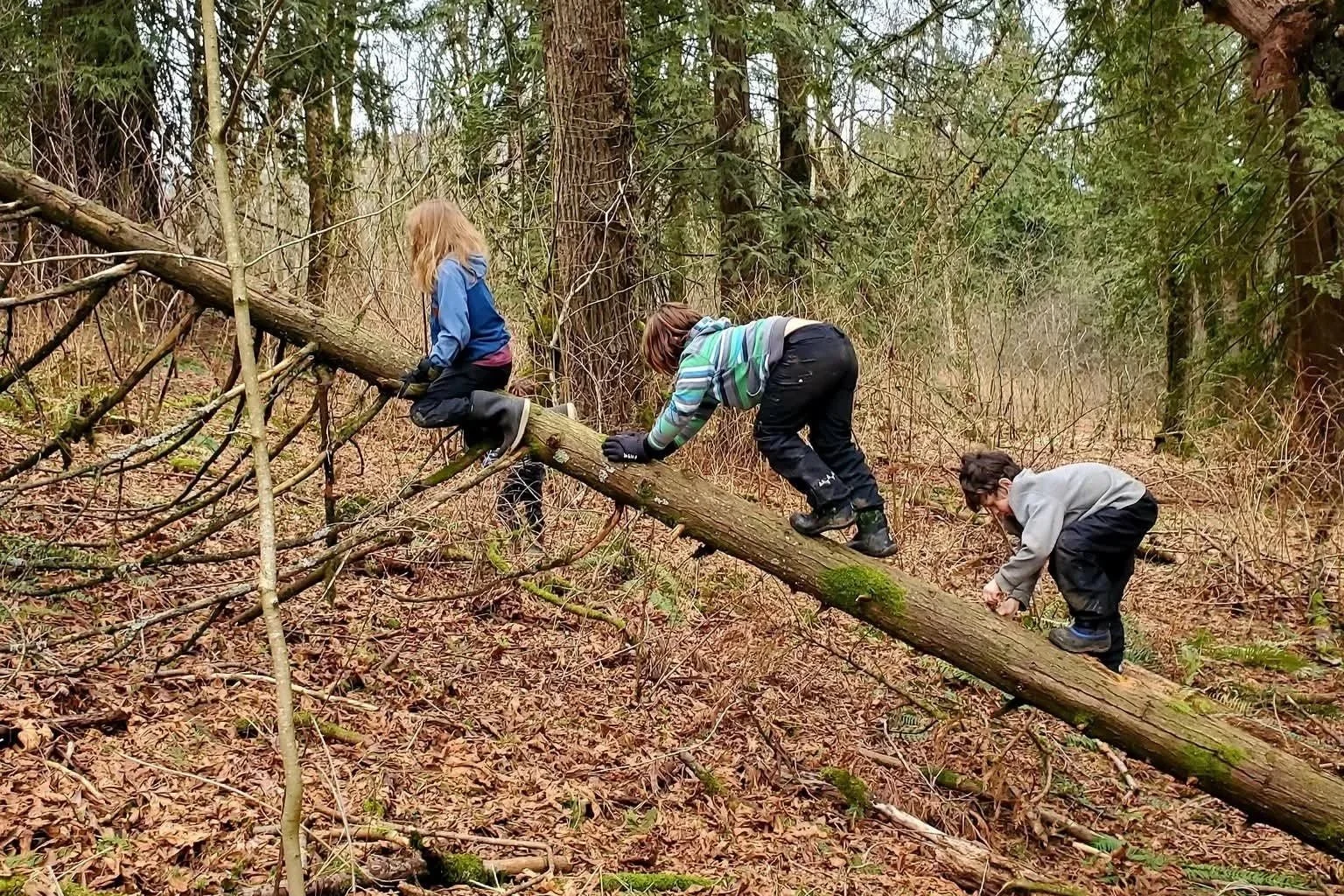
Height (e.g. climbing)
Speed (e.g. running, swinging)
Using tools
Being near natural elements (like fire or water)
Rough and tumble play
Exploring independently within boundaries
Impact (crashing, jumping)
Vicarious risk (watching others take risks)
What risky play looks like will vary greatly depending on each child’s age, experience, and confidence. For one child, it might be building the courage to step into a shallow stream. For another, it might be climbing higher into a tree or engaging in energetic physical play with peers.
At Forest School, opportunities for risky play are everywhere. Children might use tools to whittle, help to build and light a fire, construct dens, explore woodland areas, climb trees, engage in rough-and-tumble play, or navigate uneven ground filled with roots, mud, logs, and natural obstacles.
Why do we encourage risky play?
Risky play helps children to:
Build confidence and self-belief
Develop physical skills like balance, coordination, and strength
Learn to assess and manage risk for themselves
Improve problem-solving and decision-making
Develop resilience and perseverance
Experience excitement, challenge, and achievement
When children are given the chance to test their limits in a supportive environment, they learn what they are capable of. They begin to understand their own boundaries and how to keep themselves safe—skills that are essential for life.
Our approach at Into the woods
While we actively encourage risky play, this does not mean children are left without guidance. All activities are carefully supported by trained adults who carry out risk-benefit assessments and ensure that children are prepared, supervised, and equipped to take part safely.
Our role is not to remove risk entirely, but to create an environment where children can experience challenge in a way that is appropriate and empowering. By doing so, we help them grow into confident, capable, and resilient individuals.
Online learning / Distributed Learning (OL/DL) vs Homeschooling
Online Learning How to Guide
In British Columbia, online learning (often called Distributed Learning “DL” or “OL”) and homeschooling (home education) are both legal education options, but they are fundamentally different in structure, oversight, and expectations.
Online learning / Distributed Learning (OL/DL) ( A.K.A - “Enrolled” learner ) in BC is part of the public or independent school system. A student is officially enrolled in a school and follows a program that is guided by certified teachers. Learning is usually done at home, but the school provides curriculum, assignments, assessments, and ongoing teacher support. Students may attend optional in-person activities, field trips, or classes, and they typically must follow the BC curriculum and meet learning outcomes. Work is assessed, progress is tracked, and learning reports are issued, similar to a traditional school—just delivered in a more flexible, home-based format.
Online learning (OL/DL) is beneficial for families who want some structure and professional support while still learning at home. It can reduce the planning burden on parents and provides access to resources such as specialized courses, learning platforms, and sometimes extracurriculars, field trips, or in-person classes. For many families, the biggest advantage is having flexibility at home while still staying within a familiar school system with accountability and guidance.
For a list on Online learning School in B.C
https://search.onlinelearningbc.com/schools
Homeschooling (A.K.A -” Registered” homeschooler) in BC, by contrast, is when parents fully take responsibility for their child’s education outside the public or independent school system. The child is registered as a homeschooler, but there is no requirement to follow the BC curriculum, complete standardized assessments, or submit formal reports. Parents choose the teaching style, materials, schedule, and goals entirely on their own. There is usually no funding or structured teacher oversight, and families have maximum freedom, but also full responsibility for planning and instruction.
In short, OL/DL is still “school system-based learning at home” with teacher oversight, a bit of funding & curriculum requirements, while homeschooling is “parent-led education outside the school system” with far more flexibility and far fewer formal requirements.
Homeschooling (Registered homeschooler) offers maximum flexibility and personalization. Parents can fully tailor what, when, and how their child learns, whether that means following a structured curriculum, using interest-led learning, or blending different approaches like travel, projects, or outdoor education. There is no requirement to follow the BC curriculum or meet standardized benchmarks, which allows children to learn at their own pace and focus deeply on their interests or learning needs. Families also have freedom in scheduling, pacing, and educational philosophy, and many appreciate the independence and strong parent-child involvement in learning.
Find more information about home education options in B.C below
https://www2.gov.bc.ca/gov/content/education-training/k-12/support/classroom-alternatives
Join this group to find thorough details as to how to get started on your homelearning journey
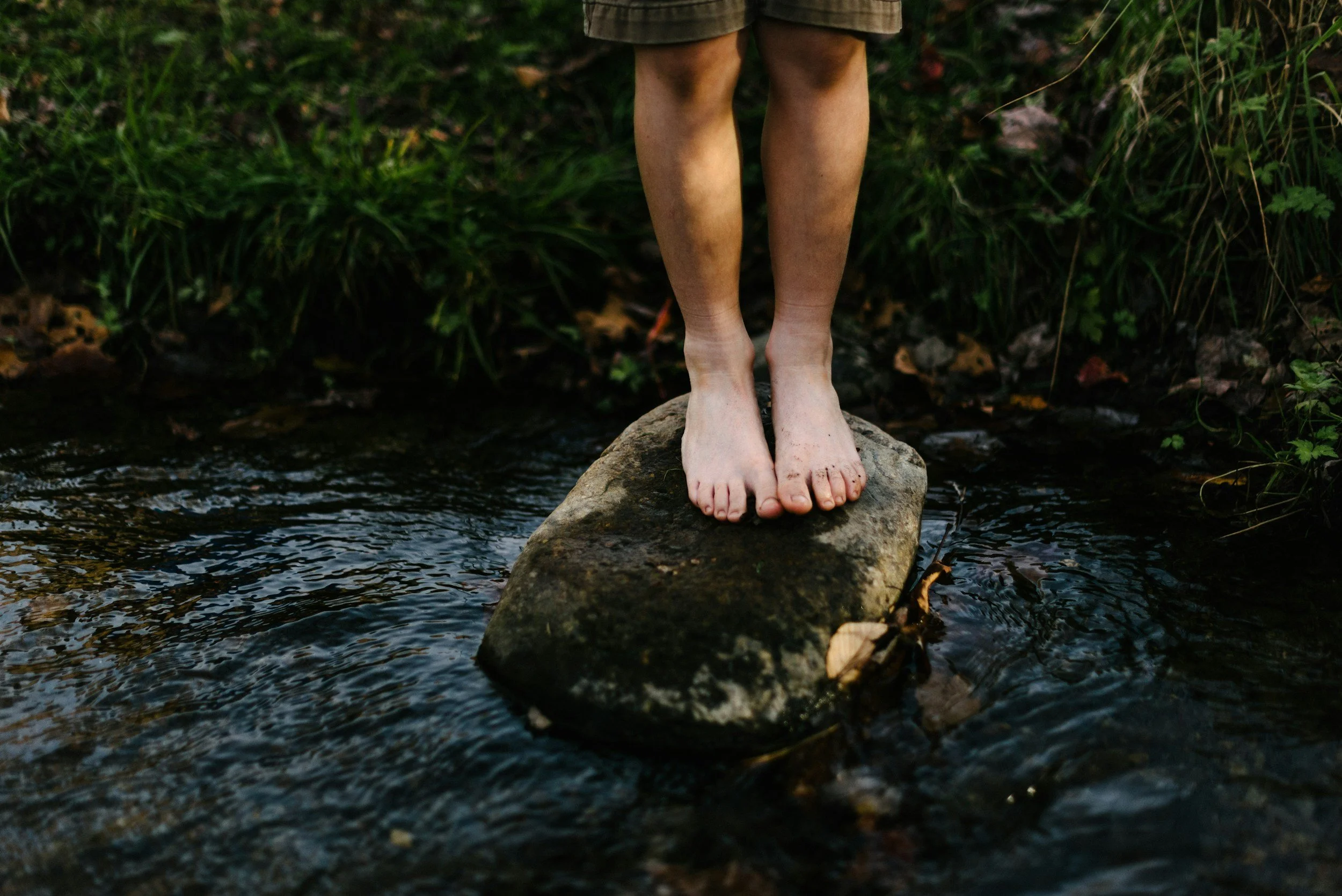
Roots & Shoots Support program
Our Fundraising goes directly to children in need.
Roots & shoots: Planting opportunity, growing connection
At Into the Woods Forest School, we believe that community can make positive impacts and that children deserve the chance to grow through meaningful time in nature. Our Roots & shoots Fundraising Program helps make this possible by supporting a small handful of children each season whose families face financial barriers to tuition.
Roots & shoots exists to help alleviate some of the financial burden associated with program fees. Through this program, we are able to partially sponsor ( 25 -50 % off enrolment fees ) so they can explore, learn, and thrive outdoors alongside their peers.
We invite individuals, families, and businesses who share our vision for nature-based education to join us in strengthening this work. Your support directly helps expand access to forest school experiences for children in our community.
Donations to Roots & shoots may include financial contributions or other outdoor gear , all of which go directly toward supporting program accessibility and enriching children’s experiences in nature.
Together, we can help more children put down Roots—building confidence, connection, and a lifelong relationship with the natural world.
** The amount of families that we can assist will vary depending of support of this program each season
*** If you require some financial assistance, please reach out as perhaps there is an exchange or trade opportunity that will work for all of us.
Ways to create impact
One-time donation
Monthly giving for ongoing impact
Sponsor-a-child scholarship support
In-kind donations (gear, clothing, outdoor supplies)
Business or community sponsorships
Thank you for helping us grow something meaningful—supporting children as they build confidence, connection, and lifelong roots in nature.
Together, we help Roots & shoots grow.